

Tongits is a high-level strategic card game that challenges players to use analytical thinking and card management skills to outperform opponents on PH33. With its engaging gameplay and psychological elements, it creates intense matches where every move can determine victory or defeat.
Overview of the appeal of Tongits
Tongits emerged and gained popularity in the late 20th century, quickly becoming one of the most engaging card games played with a standard 52-card deck. A unique feature of this game is its typical three-player format, creating a dynamic and competitive environment where every decision directly impacts the outcome.
Unlike many traditional card games, this format emphasizes interaction between players. Each move must be carefully calculated while considering opponents’ potential strategies. This constant tension makes every round exciting and unpredictable.
Beyond competition, Tongits attracts players through its perfect balance of logic, observation, and adaptability. Participants must quickly analyze situations, anticipate opponents’ actions, and make precise decisions under pressure.
Another reason for its growing popularity is the accessibility of online platforms. Players can easily join matches at any time, practice regularly, and improve their skills through continuous gameplay. The digital environment also enhances fairness and transparency, ensuring that each round is conducted smoothly.
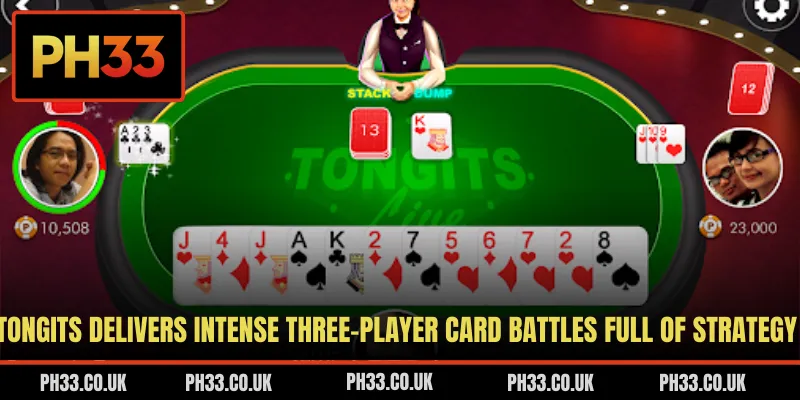
Detailed rules of Tongits for beginners
Understanding the rules is essential to mastering this game. Players need to learn how to form valid card combinations, draw cards, and apply strategic actions effectively.
Creating melds and drawing rules in Tongits
The key objective in this game is to form valid combinations known as melds. There are two main types:
Sets consist of three or four cards with the same value but different suits. Straight flushes include three or more consecutive cards of the same suit.
During each turn, players can either draw a card from the deck or pick up a discarded card if it helps complete a meld. Once valid combinations are formed, players can place them on the table to reduce the number of cards in hand.
This mechanic creates a balance between offense and defense. Players must decide whether to reveal their strategy early or keep cards hidden for future opportunities. Choosing the right moment to act can significantly influence the outcome of the game.
Additionally, players should always evaluate the risk of exposing their combinations. Revealing too early may give opponents valuable information, while holding cards too long may result in missed opportunities.
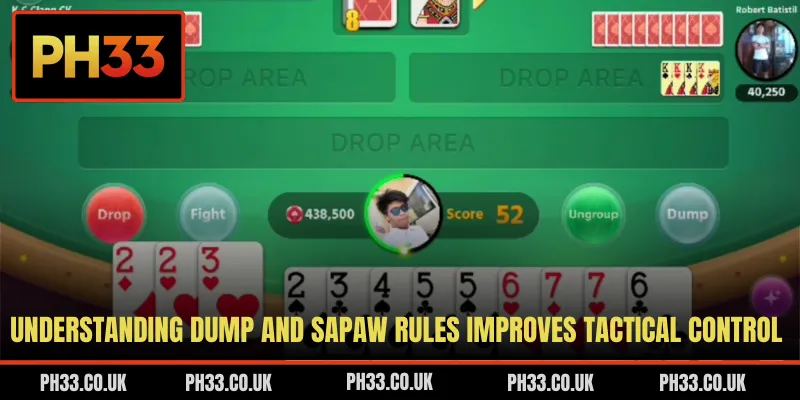
Dump and Sapaw rules
One of the most distinctive features of Tongits is the Sapaw rule, which allows players to add cards to existing melds on the table. This can include both their own melds and those of opponents.
Sapaw helps players eliminate unwanted cards and reduce their total score. It is a crucial tactic that can shift the balance of the game quickly. Skilled players often use this rule strategically to minimize risks while maximizing efficiency.
If a player finishes the round without placing any melds, they are considered “burned” and automatically lose with the highest penalty. This rule encourages active participation and strategic planning from the beginning.
Scoring system and winning conditions
If no player wins by emptying their hand completely, the game moves to a scoring phase. In Tongits, each player’s remaining cards are counted based on specific values.
Number cards retain their face value, while face cards such as Jack, Queen, and King are worth ten points each. The Ace is valued at one point, making it highly beneficial in tight situations.
The player with the lowest total score wins the round. This scoring system emphasizes the importance of managing card values throughout the game rather than focusing solely on forming combinations.
Understanding the scoring system also allows players to adjust their strategies dynamically. For example, holding onto low-value cards while discarding high-value ones can make a significant difference in close matches.
Advanced strategies to master Tongits
To excel in Tongits, players must go beyond basic rules and develop advanced strategies that improve consistency and performance.
Prioritizing low-value cards
One effective strategy is to prioritize keeping low-value cards, especially toward the end of the game. High-value cards can become a liability during scoring, so it is important to discard them early if they do not contribute to a meld.
This approach minimizes risk and increases the chances of winning in close matches. Experienced players often combine this strategy with careful observation to maintain control over the game.
Observing opponents’ discards
Carefully watching opponents’ discarded cards provides valuable insights into their strategies. By identifying patterns, players can predict which combinations others are trying to complete.
This knowledge allows you to block opponents by holding onto critical cards or forcing them into unfavorable positions. Over time, this skill becomes one of the most powerful tools in Tongits gameplay.
Using the draw option wisely
The draw option is a strategic move that can determine the outcome of a match. In Tongits, it should only be used when you have a strong position with low-value remaining cards.
Calling a draw prematurely can backfire if opponents have better hands. Timing is essential to maximize its effectiveness and secure a favorable result.
Applying psychological tactics
Psychological strategy plays a significant role in Tongits. For example, placing melds early can create pressure on opponents, forcing them to react quickly.
Bluffing and unpredictability can also disrupt opponents’ plans. Players who can control the pace of the game often gain a significant advantage and maintain dominance throughout the match.
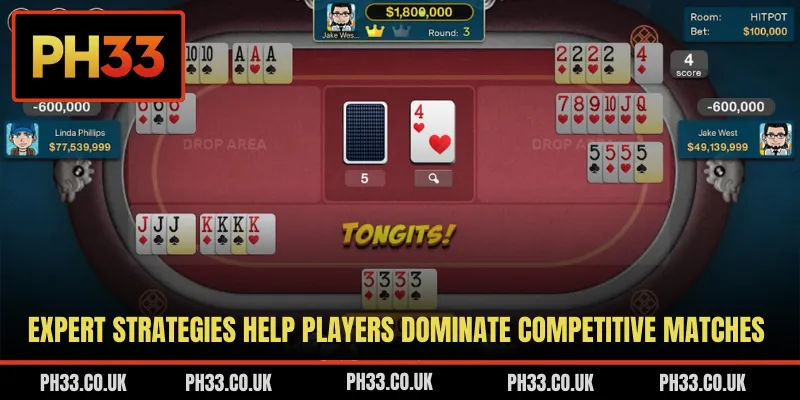
Additional gameplay insights and practical tips
The fast-paced nature of Tongits requires players to think quickly and adapt to changing situations. Each round presents new challenges, making flexibility a key factor in success.
Consistency is another important element. Players who maintain a disciplined approach are more likely to achieve long-term success. Avoiding impulsive decisions and focusing on calculated moves leads to better outcomes.
Another useful tip is to practice regularly. Familiarity with different scenarios improves decision-making and builds confidence over time. Experience allows players to recognize patterns and respond effectively.
Additionally, managing emotions is crucial. Staying calm under pressure helps players maintain focus and avoid costly mistakes. Emotional control is often the difference between winning and losing in competitive matches.
Players should also learn to adjust their strategies based on opponents’ behavior. Adapting to different play styles ensures that you remain competitive in various situations.
Time management is equally important. Making decisions efficiently without overthinking allows players to maintain momentum and stay engaged throughout the game.
Finally, understanding the balance between risk and reward is essential. Taking calculated risks can lead to significant gains, while overly cautious play may limit opportunities.
Conclusion
The world of online card games continues to grow, offering players a wide range of exciting experiences. Among them, Tongits stands out as a strategic and skill-based game that rewards careful planning and smart decision-making. By mastering the rules, applying advanced strategies, and maintaining discipline, players can fully enjoy the experience and achieve consistent success.
